
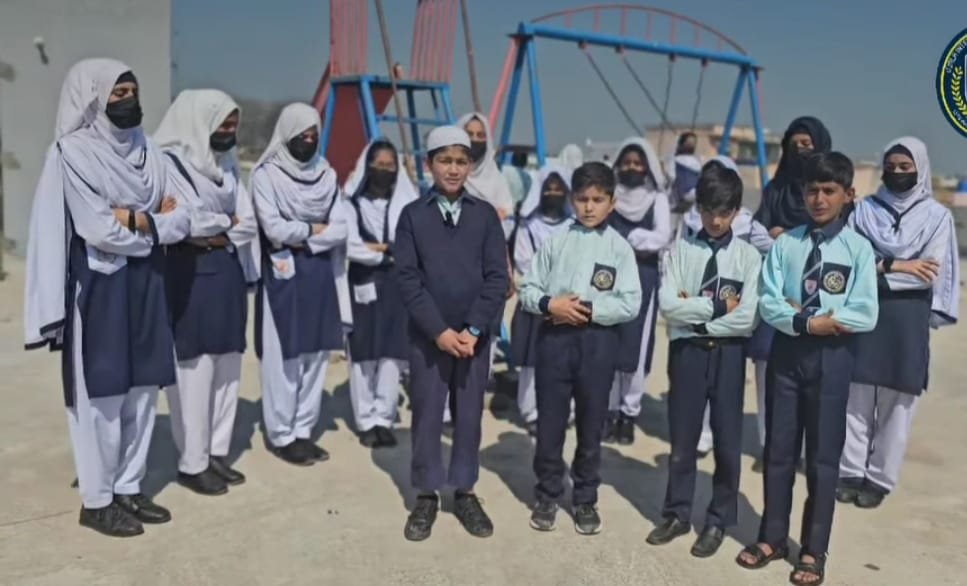
Apolitical organizations play a crucial role in driving social development, creating positive change, and improving the well-being of communities without the influence of political agendas. These organizations focus on addressing the pressing needs of society, such as education, healthcare, poverty alleviation, and social welfare, while ensuring that their work is inclusive and unbiased. By remaining independent of political affiliations, apolitical organizations are able to focus entirely on the welfare of people, transcending political barriers to work toward common goals.
The Role of Apolitical Organizations in Education
One of the most significant impacts of apolitical organizations is in the field of education. By providing access to quality education, these organizations help empower individuals, break the cycle of poverty, and promote equality. Whether through scholarships, skill-building workshops, or community-based educational programs, apolitical organizations are contributing to a more educated and skilled society. Their work helps bridge the gap between different social classes and ensures that everyone has an equal opportunity to succeed.
At Ujala International, we understand the importance of education in driving social change. Our educational initiatives aim to provide access to technology, digital literacy, and vocational training, especially in underserved areas. By focusing on skill development and lifelong learning, we are helping individuals become self-sufficient and contribute to the betterment of their communities. Learn more about our services and how we are making a difference in education.
Promoting Social Welfare and Equality
Apolitical organizations are also instrumental in promoting social welfare by addressing the basic needs of individuals and communities. They provide essential services like healthcare, food distribution, sanitation, and housing for vulnerable populations. By focusing solely on the welfare of people, these organizations can design programs that meet the real needs of communities, without the interference of political motivations.
At Ujala International, we are dedicated to supporting communities in need through various welfare programs. Our initiatives include food distribution, providing clean water, offering disaster relief, and supporting orphans. By working to meet both immediate and long-term needs, we aim to create lasting change in the lives of those we serve. Visit our about us page to learn more about how we are impacting social welfare.
Bridging Divides and Promoting Unity
Apolitical organizations often work to bridge divides within communities, regardless of ethnicity, religion, or political affiliation. By promoting unity and cooperation, these organizations foster a sense of belonging and shared purpose, which is vital for social cohesion. They bring people together to work on common goals, whether it’s improving public health, providing education, or supporting local economies.
The work of Ujala International reflects this spirit of unity. Our programs are designed to be inclusive and cater to diverse communities, creating opportunities for all individuals to thrive. Through our collective efforts in education, welfare, and empowerment, we aim to break down barriers and build stronger, more resilient communities.
Conclusion
The impact of apolitical organizations in social development cannot be overstated. By focusing on human needs and collective progress, they provide a neutral platform for improving society while ensuring that political ideologies do not interfere with their mission. Through their work in education, welfare, and social cohesion, these organizations help create a more just and equitable world.
At Ujala International, we are proud to be part of this global movement for social development. By remaining apolitical, we can focus entirely on empowering individuals and transforming communities. To learn more about how we are contributing to social development, please visit our appointment page or explore our services to see how you can get involved.